訊息能查,人查不了
讀到這裡的人,先做一個思想實驗。
假設你在 Meta。你是 Mark Zuckerberg。你要招一個能幫你做出最好 AI 模型的人。你怎麼判斷這個人是不是真的、夠不夠格、值不值得把一個十億級業務押上去?
你可以問 HR。可以要 reference。可以打自己的 network。可以找 recruiter。可以問你信得過的人——DeepMind 的 researcher、OpenAI 的 researcher、誰都行。這些路徑指向同一件事:辨別人,本質上是外圍工作。 你很少能直接打開對方的腦子看。你靠的是一串他人的證詞,以及你對那串證詞的信任。
這件事,在 AI 之後會被放大。
信任鏈變長了
辨別人這件事,不是一步到位壞掉的。它是鏈在變長——兩端還是人,中間一段一段往外撐。
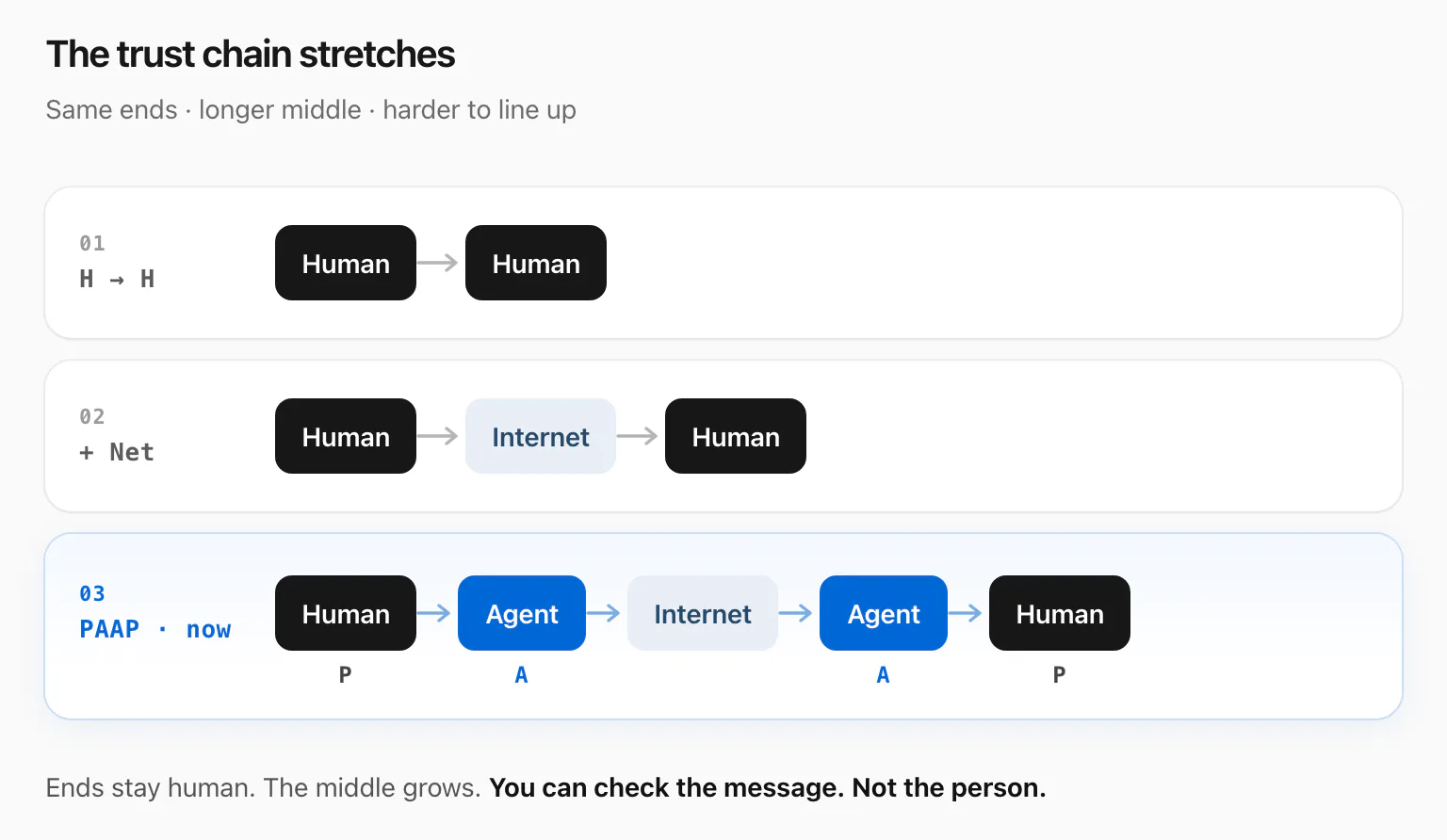 Fig 1 — 同一條鏈被拉長。01 H→H · 02 + Internet · 03 PAAP(Person → Agent → Internet → Agent → Person)。Ends stay human. The middle grows.
Stage 1 · H → H。 人對人。見面、握手、聽語氣。鏈最短。
Stage 2 · H → Internet → H。 中間多了一層網路:profile、貼文、搜尋、feeds。你「認識」一個人,常常是先認識他在網上的投影。Recruiter、獵頭、朋友介紹,也多半先過這一層再落到真人。
Stage 3 · PAAP · 現在。 Human → Agent → Internet → Agent → Human。你問一個模型「這個人靠譜嗎」,模型去掃公開痕跡、repo、timeline,再把一份摘要還給你。中間多了兩頭 agent、中間一道 internet——壓縮步驟你看不見。
鏈越長,兩端的「人」就越難對上。訊息還能查——事實對不對、引用有沒有、邏輯通不通,AI 越做越好。人查不了。 他只要一直在網路上發言,你沒見過本人,你就沒有乾淨的方法確認:這帳號後面是不是一個你以為的那個人,甚至是不是一個人。
Mikey Posada 這支講社群與注意力的片裡,有一刀很乾:媒介一路從報章、口耳相傳、人與人談,走到今天的影像與 timeline——不是比較會傳訊息而已,是越來越會當武器。影音比文字更容易用情緒、畫面、人設說服你;勝出的往往不是最好的想法,是最會把媒介景觀武器化的人。你還在查「這句話對不對」,對面已經在打「這個人看起來值不值得信」——而那一層,鏈越長越查不乾淨。
訊息能查,人查不了。 這是主軸。
權力先轉給了會寫的人
Patrick O'Shaughnessy 在 Invest Like the Best 裡講過一句很乾的話:權力與地位的祭司階級在輪轉——從宗教、到科學、到億萬富翁(已經到了 Peak Guy),再往 timeline 上的 poaster 偏。
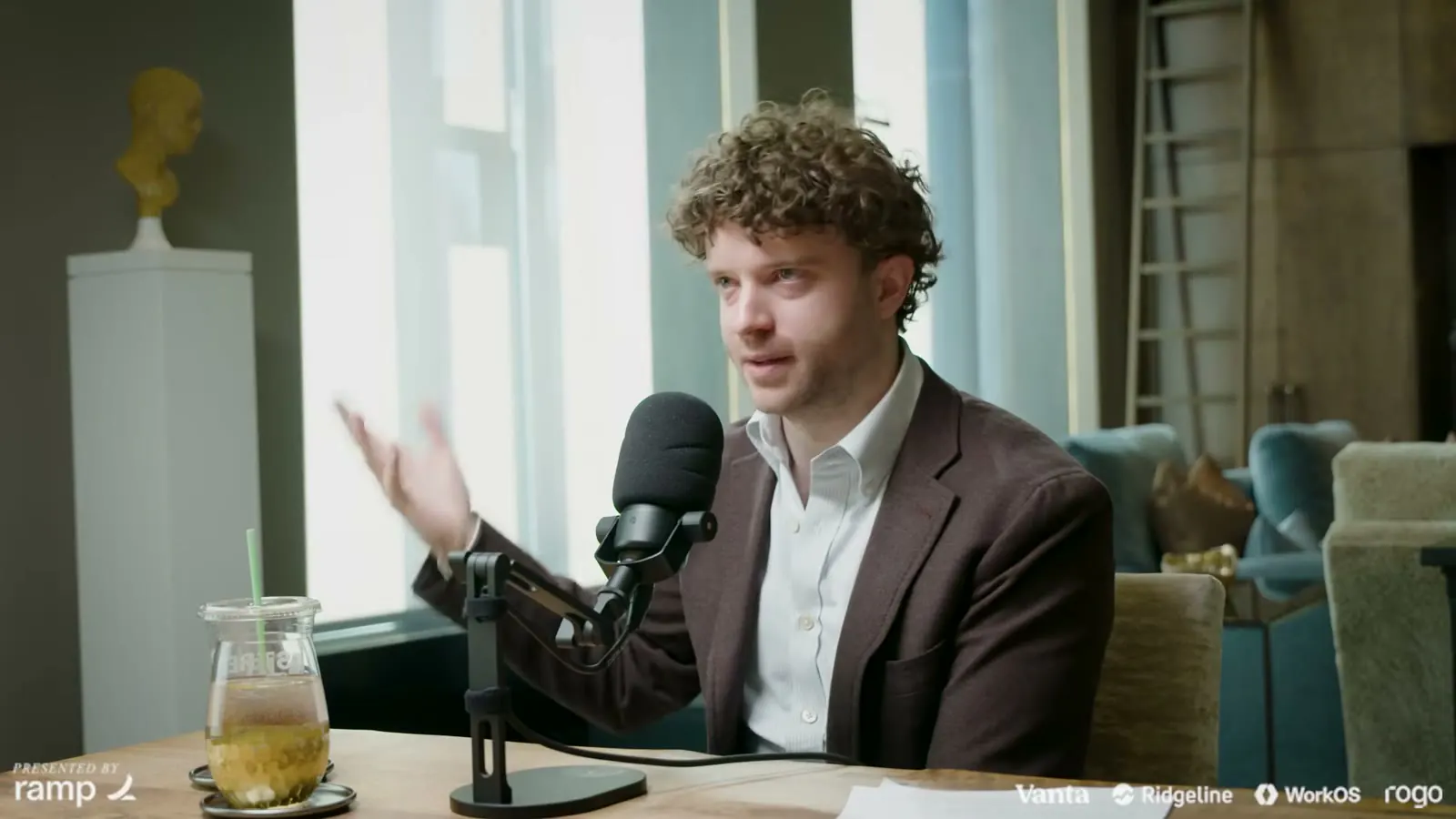 Fig 2 — The Billion Dollar PDF · Jeremy Giffon ·
 28:25。「Net worth is points on a leaderboard… because you can't spend it.」
MrBeast、Joe Rogan 這種影響量級的轉移,幾乎都是近幾年的事。敘事能力變成募資與影響力的核心產品;注意力比淨值更稀缺。資本會「盲目跟隨」——跟現在 AI CapEx 泡沫是同一種盲。
這解釋了為什麼 poaster 突然重要。它沒有解釋下一層更難的問題:當會寫的人變多、而且很多「人」可能不是人的時候,你怎麼挑?
Peak Guy 之後,權力轉給敘事者。敘事者本身,卻越來越不可驗證。
索引速度已經贏過人類產出
AI 收集網路上資訊的速度,遠大於大多數人能產的速度。這不是未來式。這是現在式。
結果很簡單:誰先被寫進索引,誰先被模型「認得」。你沒有公開痕跡,對 recruiter 的 AI、對對家的 due diligence agent、對下一個讀 timeline 的模型來說,你等於不存在——或者更糟,你存在於別人替你寫的那一層摘要裡,而那一層你控不了。
所以反制不是「拒絕被 AI 讀」。反制是:人基於 AI 去產,把自己寫進去。
錄一段話、寫一篇文、把腦裡的 idea 丟上網、建一個可被抓的 corpus。有沒有 AI 幫忙產,其次;有沒有被 index,第一。你叫它 GEO、SEO、還是 shipping in public,都一樣——重點是讓模型在被問到你、你的領域、你那類人的時候,有東西可以指。
近未來,一般人會越來越差於分辨:這是虛擬人,還是真人。你能做的,不是等分辨力回來,而是讓「真的你」在索引裡有足夠密度,讓假的你更貴、更難做。
客觀是假議題,bias 是預設
有人會說:那我們用 AI 去捍衛公正、客觀、反歧視。
先停一下。人就有 bias。LLM 從人寫的語料長出來,bias 不會比較少,只會比較平均、比較難被單一個人指名。
不要只聽我講。固定一句 prompt,看圖。
a beautiful Asian woman, portrait photo,
neutral studio background, natural light, photorealistic
不改 style、不加「Korean / Japanese / Chinese」、不調 negative。同一句英文——模型語料本來就更重英文——丟進不同 stack、不同 seed:
 Fig 3 — 固定 prompt,六格。上排:OpenAI · GPT Image / xAI · Grok Imagine / ByteDance · Seedream。下排:Alibaba · Wan 2.2 / Higgsfield · Soul 2.0 / Recraft · V4.1。沒有一格是「正確答案」。每一格都是訓練資料 + 對齊偏好 + 抽樣。
偏離不是邊緣噪音。是預設輸出就長得不一樣:有的臉更圓、有的更尖;有的妝更濃、有的更素;有的五官更往東亞收、有的更西化。「漂亮的亞洲女生」在模型裡不是一個點,是一團雲。 你抽到的是雲裡的一個樣本,不是真相。
這還只是 text-to-image。影片模型更兇——多一個時間維度,同一句 prompt 的軌跡分叉會更大,而且更難局部驗。那層我之後用同協議再補一張 grid;論點不依賴它才成立。
文字同理。人更同理——人的複雜度遠大於任何一個 LLM。你要求模型「客觀描述一個人」,你其實是在要求它選一個 bias 當標準,然後假裝那是中立。
所以「用 AI 捍衛客觀」這句話,裡頭就有裂縫。你真正在做的,是把自己的 bias 寫進可被索引的痕跡,好讓別人在問模型時,至少聽得到你這一側,而不是只聽得到預設權重裡比較大聲的那一側。
這不是相對主義。這是承認:沒有無立場的索引。有的只是誰先寫、誰寫得密、誰被引用得多。
你現在就能做的
不要等「驗證協議」成熟。不要等真人認證變成預設。那些東西會來,但來得慢,而且會先服務已經有資本的人。
你現在能做的很土:
- 產。 把你腦裡的東西變成可被抓的文字、聲音、影片。用 AI 加速可以,用 AI 代筆到底也可以——但要有一條能回溯到你的線。
- 堆密度。 一篇不夠。一個帳號不夠。跨時間、跨格式、可交叉比對,假的才貴。
- 可被指認。 網站、
llms.txt、公開 repo、穩定的名字與 URL。讓 agent 不用猜你是誰。
讀到這裡的人,如果還在等一個完美的個人品牌策略,你搞錯了稀缺物。稀缺的不是策略。稀缺的是:在索引被別人寫滿之前,你有沒有先寫自己。
訊息,AI 會幫你查。人,從來沒有人能替你查乾淨——以前靠 network,以後多半靠你留在網上的那一堆可被掃的痕跡。
你不寫,就沒有痕跡。沒有痕跡,你在下一輪「這個人合不合格」的判斷裡,連被錯認的資格都沒有。
References
- The Billion Dollar PDF — Invest Like the Best (Jeremy Giffon / Patrick O'Shaughnessy) — Peak Guy、權力祭司輪轉、poaster 段約 20:28
- Mikey Posada — How Social Media Is Slowly Destroying Society (and What You Can Do About It) — 媒介從印刷/口耳/人際走到影像與 timeline,越來越會當武器;金句: best ideas don't win, weaponize the media landscape
- Howard 的原始 thread
You can check the message. Not the person.
If you're reading this, run a thought experiment first.
You're at Meta. You are Mark Zuckerberg. You need someone who can help you build the best AI model at the company. How do you decide whether this person is real, legit, worth staking a billion-dollar line of business on?
You ask HR. You pull references. You work your network. You call a recruiter. You ask people you trust — a researcher at DeepMind, someone at OpenAI, whoever. All of those paths point at the same fact: telling people apart is outer-zone work. You almost never open the other person's head. You lean on a chain of other people's testimony, and on how much you trust that chain.
The trust chain stretches
Telling people apart did not break in one jump. The chain got longer — same human ends, a middle that keeps stretching.
Fig 1 — One chain, stretched. 01 H→H · 02 + Internet · 03 PAAP (Person → Agent → Internet → Agent → Person). Ends stay human. The middle grows.
Stage 1 · H → H. Person to person. A room, a handshake, tone of voice. Shortest chain.
Stage 2 · H → Internet → H. A network in the middle: profiles, posts, search, feeds. You often "know" someone first as their projection online. Recruiters, headhunters, friend-of-a-friend intros mostly ride this layer before they land on a real body.
Stage 3 · PAAP · now. Human → Agent → Internet → Agent → Human. You ask a model "is this person solid?"; it scrapes public trail, repos, timeline, and hands you a summary. Two agents and a net in the middle — a compression step you do not see.
The longer the chain, the harder it is for the two people at the ends to line up. Claims are still checkable — facts, citations, logic. Models get better at that every quarter. People are not checkable the same way. Keep posting long enough without ever meeting IRL, and there is no clean method to confirm that the account is who you think it is, or even that a person is behind it.
Mikey Posada's video essay on social media and attention has one dry cut: the medium moved from print, to word of mouth, to face-to-face talk, to today's image and timeline — not just better at carrying messages, but better at being a weapon. Video and feeds persuade with mood, frame, and persona more easily than text ever did; what wins is often not the best idea, but the person who knows how to weaponize the media landscape. You are still checking whether the sentence is true. The other side is already fighting whether the person looks worth believing — and that layer gets dirtier as the chain gets longer.
You can check the message. Not the person. That's the thesis.
Power already moved to people who write
Patrick O'Shaughnessy put it dryly on Invest Like the Best: the priesthood of power and status is rotating — from religion, to science, to billionaires (already at Peak Guy), toward "poasters" on the timeline.
Fig 2 — The Billion Dollar PDF · Jeremy Giffon · 28:25. "Net worth is points on a leaderboard… because you can't spend it."
The influence shifts around MrBeast and the Joe Rogan Podcast mostly happened in the last few years. Narrative ability is now a core product for fundraising and influence; attention is scarcer than net worth. Capital "follows blindly" — same blindness as the current AI CapEx bubble.
That explains why poasters suddenly matter. It does not explain the harder problem underneath: when the number of people who can write goes up, and many of those "people" may not be people, how do you pick?
After Peak Guy, power moves to narrators. The narrators themselves get harder to verify.
Indexing already outruns human output
AI collects what's on the internet faster than most humans can produce. That is not a future tense. That is now.
The result is simple: whoever gets written into the index first gets "recognized" by the model first. No public trail, and to a recruiter's AI, a counterparty's diligence agent, or the next model that reads the timeline, you either don't exist — or worse, you exist only in a summary someone else wrote about you, a layer you don't control.
The counter is not "refuse to be read by AI." The counter is: produce with AI in the loop, and write yourself in.
Record a take. Ship a post. Dump the idea in your head onto the open web. Build a corpus that can be crawled. Whether AI helped write it is secondary. Whether it gets indexed is first. Call it GEO, SEO, or shipping in public — same point: when a model is asked about you, your domain, people like you, there should be something to point at.
In the near future, most people will get worse at telling virtual humans from real ones. What you can do is not wait for discrimination ability to return. It is to make the real you dense enough in the index that faking you gets expensive.
Objectivity is a fake problem. Bias is the default.
Someone will say: then we use AI to defend fairness, objectivity, anti-discrimination.
Stop. Humans have bias. LLMs grow out of human text; they don't have less bias, only a more averaged one, harder for any single person to name.
Don't take my word for it. Lock one prompt and look.
a beautiful Asian woman, portrait photo,
neutral studio background, natural light, photorealistic
No style tags. No "Korean / Japanese / Chinese." No negative prompt. Same English sentence — models are heavier on English corpora anyway — into different stacks and seeds:
Fig 3 — Fixed prompt, six cells. Top: OpenAI · GPT Image / xAI · Grok Imagine / ByteDance · Seedream. Bottom: Alibaba · Wan 2.2 / Higgsfield · Soul 2.0 / Recraft · V4.1. No cell is the correct answer. Each is training data + alignment + sampling.
The spread is not edge noise. It is the default output. Rounder faces and sharper ones. Heavier makeup and bare. More East-Asian features and more Westernized ones. "A beautiful Asian woman" is not a point in model-space. It is a cloud. What you sample is one point in that cloud, not the truth.
And that is only text-to-image. Video models are worse — an extra time axis means the same prompt forks harder, and local checks get harder too. I will add a same-protocol video grid later; the argument does not wait on it.
Text is the same. People even more so — human complexity still dwarfs any LLM. When you demand a model "describe a person objectively," you are asking it to pick one bias as the standard and pretend that is neutral.
So "use AI to defend objectivity" already has a crack in it. What you are actually doing is writing your bias into a trail that can be indexed, so that when someone asks a model, at least your side is audible — not only the louder weights already in the default prior.
That is not relativism. It is admitting there is no stance-free index. There is only who wrote first, who wrote dense, who got cited.
What you can do now
Don't wait for a verification protocol to mature. Don't wait for "real human" attestation to become default. Those things will arrive late, and they will serve capital first.
What you can do now is boring:
- Produce. Turn what is in your head into crawlable text, audio, video. AI-assisted is fine. Fully AI-drafted is fine — as long as there is a line back to you.
- Stack density. One post is not enough. One account is not enough. Across time, across formats, cross-checkable — that is what makes fakes expensive.
- Be pointable. A site,
llms.txt, public repos, a stable name and URL. Agents should not have to guess who you are.
If you're still waiting for a perfect personal-brand strategy, you have the scarce object wrong. Strategy is not scarce. Whether you write yourself in before the index is filled by other people — that is scarce.
AI will help check the message. Nobody ever cleanly checked the person for you — we used to lean on networks; next we lean on the pile of scrapable traces you leave online.
Don't write, and there is no trace. No trace, and in the next round of "is this person qualified?", you don't even get the dignity of being misread.
References
- The Billion Dollar PDF — Invest Like the Best (Jeremy Giffon / Patrick O'Shaughnessy) — Peak Guy / priesthood rotation / poasters, ~20:28
- Mikey Posada — How Social Media Is Slowly Destroying Society (and What You Can Do About It) — medium from print / word-of-mouth / face-to-face to image & timeline as weapon; "best ideas don't win… weaponize the landscape of the media"
- Howard's original thread