I read TON like a building. The floors are functions, not owners.
When I look at a chain, I do not start with who owns what. I start with what each layer does.
Foundation, floors, annex. The same way you would read a building.
That is how I read TON.
Original post: x.com/Howard_Pengg/status/2119361295661293713
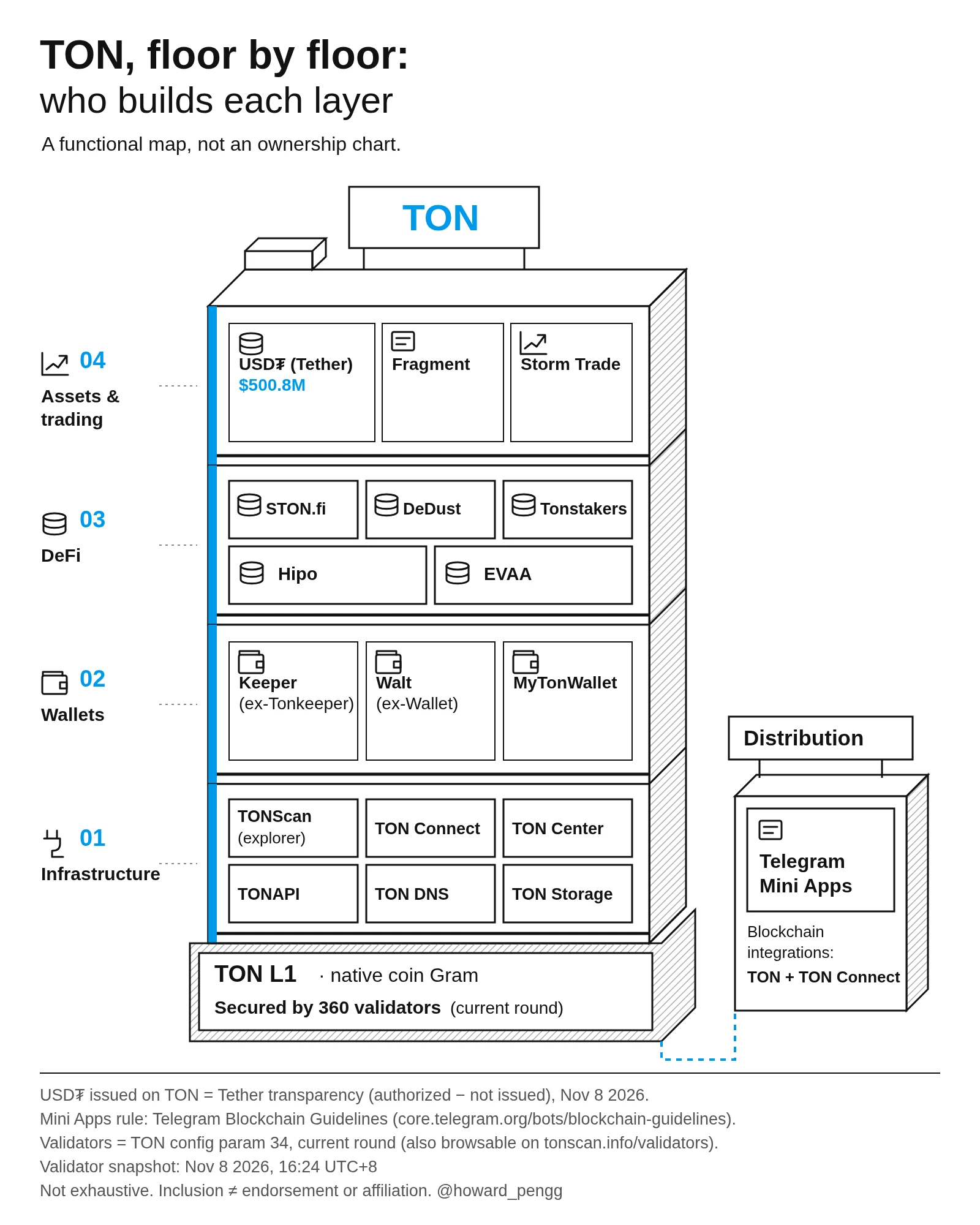
Fig 1 — A functional map, not an ownership chart.
Foundation
The ground is the chain itself: TON L1. The native coin is Gram. The current validator set has 360 validators.
That is the current validator set for this round, not a count of operators. It will change. It is still the right place to start: the ledger, the coin, the validators securing it.
The floors
Above that I group what got built by function.
Infrastructure: TONScan (the explorer), TON Connect, TON Center, TONAPI, TON DNS, TON Storage.
Wallets: Keeper (formerly Tonkeeper), Walt (formerly Wallet), MyTonWallet.
DeFi: STON.fi, DeDust, Tonstakers, Hipo, EVAA.
Assets and trading: USD₮, Fragment, Storm Trade.
Each tile is a product, a protocol, or a service, placed by what it does. The map is not exhaustive. Inclusion is not an endorsement, and it is not a claim that these teams belong to one owner.
The annex
Off to the side is distribution: Telegram Mini Apps.
When a Mini App integrates blockchain, it does that with TON and TON Connect. That is the rule for blockchain features. It does not mean every Mini App is a TON app, and it does not mean Telegram built or owns the floors.
This is the mix-up I keep seeing. Telegram is the distribution annex. It is not an ownership claim over the floors.
One number
$500.8M USD₮ issued on TON, from Tether's transparency data on November 8, 2026 (authorized supply minus the amount not yet issued).
It is an anchor: there is already a large dollar stablecoin issued on this chain.
A functional map, not an ownership chart
People look at TON and start drawing ownership arrows. Telegram here, a foundation there, this wallet as a subsidiary, that marketplace as an acquisition.
I did not draw those arrows. I did not verify them, and they are the wrong way to read the stack.
The useful questions are simpler. How do you explore the chain? Where do you hold Gram? Where do you swap, lend, or stake? Where does USD₮ live? How does a Mini App talk to a wallet?
If you want to add a tile, add it by function.